Which Room or Space is Best for Your Home Office

One of the most common questions remote workers ask is, “Which room should I use for my home office?”
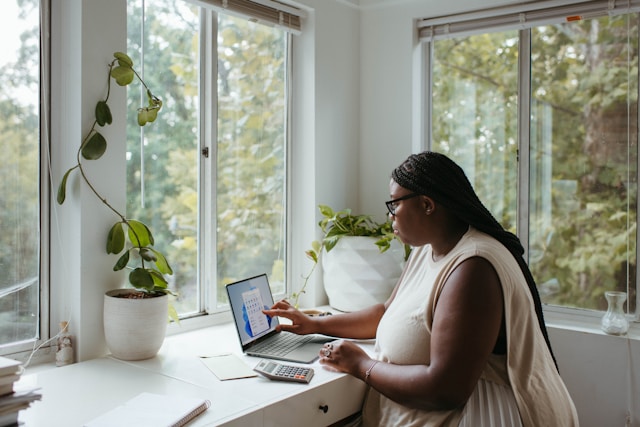
If you’re struggling to find the right space to work effectively, I get it.
I’ve been working remotely for seven years, and in that time, I’ve set up my home office in three different areas: the kitchen, my room, and my garage.
Each space had its pros and cons, but after years of trial and error, I’ve found that my room is the best place for me to work.
Here’s why:
- It’s quiet, which helps me focus and get things done.
- It has a window, giving me plenty of natural light.
- I’ve set it up with all the essentials that make my work easier.
If you’re trying to decide where to set up your home office, the key is to find a space that minimizes distractions, boosts productivity, and helps you maintain a healthy work-life balance.
Here are six key guidelines to consider when selecting your home office
1. Choose a quiet room or space for your home office
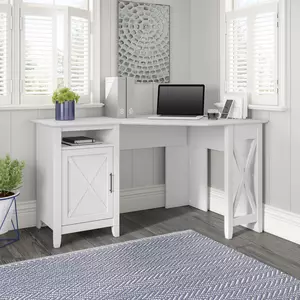
Noise is one of the biggest productivity killers when working from home.
I’ve worked in my kitchen before, and while it was convenient, it wasn’t ideal. The noise from cooking, people walking in and out, and general household activity made it hard to concentrate. The same thing happened when I tried working in my garage—it was too exposed to outside noise.
My room, however, is quiet, and that makes all the difference.
If you can, set up your home office in a low-traffic area where you won’t be interrupted. If that’s not possible, noise-canceling headphones or even a white noise machine can help.
2. If possible, choose a location that receives direct sunlight or ample natural light.
According to research employees working in spaces with natural light are more productive, alert, and focused, as sunlight stimulates the brain and enhances cognitive function, which is crucial for complex tasks.
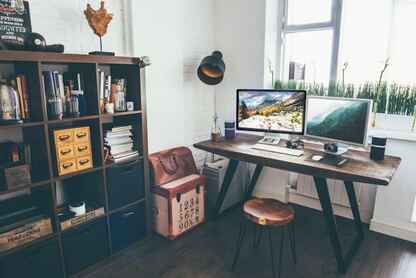
I always try to work near a window because natural light keeps me alert, reduces eye strain, and even boosts my mood.
Regular exposure can help maintain optimal levels of this vitamin.
Additionally, natural light, being softer and more comfortable than artificial lighting, reduces glare and eye strain, lowering the likelihood of headaches and discomfort during long work hours.
Science backs this up—studies show that people who work in naturally lit spaces are more productive and feel less stressed.
Sunlight also helps regulate your sleep cycle, which is crucial when working from home.
If you have a choice, place your desk near a south-facing window for all-day natural light or an east-facing window for bright morning light.
If your space doesn’t get much sunlight, you can use full-spectrum LED lights to mimic natural daylight.
A proper amount of artificial light is also beneficial.
3. The technology and equipment you use play a crucial role when choosing your home office room or space
The room itself isn’t the only thing that matters—what you put in it is just as important.
Over the years, I’ve learned that having the right equipment and technology makes a huge difference in how efficiently I work.
Here’s what I make sure to have in my workspace:
- A comfortable, ergonomic chair (sitting for hours in a bad chair is a mistake you don’t want to make).
- A desk at the right height to avoid back and neck pain.
- Good lighting (a combination of natural and artificial light).
- Noise-canceling headphones to block out distractions.
- Reliable internet and easy access to power outlets.
- Dual monitors for multitasking (a game-changer if you work with multiple applications).
If you’re setting up your home office, invest in your workspace—your productivity (and your back) will thank you.
4. Make sure to separate your work life from your home life.
One of the biggest challenges of working from home is keeping work and personal life separate.

Creating a clear separation between work and home life is crucial when setting up a home office, especially for those working remotely.
Without boundaries, it’s easy to slip into unhealthy habits, such as overworking or being constantly distracted by household responsibilities.
To effectively separate work and home life, create a distinct workspace in a quiet, private area to physically separate your work environment from personal spaces.
Set specific work hours and stick to them, using routines to mark the start and end of your workday.
When I gave up my old home office to my younger brother, I had to rethink my entire workspace. It was frustrating at first, but I realized that adapting to change is key.
The biggest lesson I’ve learned? Set boundaries.
- Have a dedicated workspace—even if it’s just a corner of a room.
- Stick to work hours so you’re not working all day and night.
- Take real breaks to step away from work and recharge.
Having a separate workspace helps mentally switch between “work mode” and “home mode”, which prevents burnout.
5. Temperature in your home office
Ever tried working in a freezing cold room or a hot, stuffy space? It’s nearly impossible to focus.

Studies suggest that the best temperature for productivity is 68°F to 72°F (20°C to 22°C).
To keep my home office comfortable, I:
- Use a fan or heater depending on the season.
- Keep my workspace well-ventilated to avoid stuffiness.
- Adjust humidity levels to 30%-50% for better air quality.
It’s a small detail, but trust me, temperature can make or break your focus.
Maintaining a suitable temperature and adequate ventilation is critical for productivity and well-being in your home office.
6. Easy access to essential home office items
One of the reasons I love working in my room is that I have everything I need within arm’s reach.
Nothing kills productivity like constantly getting up to grab something. I keep my:
- Laptop & chargers nearby.
- Notebook & pens for quick notes.
- Water bottle & coffee mug to stay hydrated.
- External hard drives & important files within reach.
A well-organized space keeps distractions to a minimum and helps you stay in the flow.
In Conclusion
After seven years of working remotely, I’ve learned that the perfect home office isn’t about having the biggest or fanciest space—it’s about making the most of what you have.
For me, my room is the best place to work because it’s:
- Quiet
- Well-lit with natural sunlight
- Equipped with everything I need
If you’re setting up your own workspace, focus on what works best for you—whether it’s a quiet room, a well-lit corner, or a space with the right tools.
At the end of the day, your home office should support your productivity and comfort, making remote work as smooth and stress-free as possible.
Ultimately, it’s not just about the room itself, but how you adapt and make the space your own to best suit your needs.
You can drop a comment for our team, letting us know how we have helped you with this article and what we miss and failed to mentioned.
Thank you very much for reading till the end.


Post Comment