How to Create the Perfect Home Office Space for Remote Work: A Comprehensive Guide

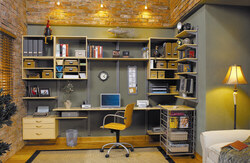
As a remote worker, creating a beautiful, positive, and ideal home office space is essential for a better work experience.
It’s not just about choosing the right gadgets or ergonomic tools—your environment significantly shapes your productivity and comfort.
But, finding the ideal space is more than just selecting a corner or a room to place your furniture and start working.
Too small, and you risk feeling cramped and unproductive; too large, and it can feel wasteful or overwhelming. Finding a balanced space that supports comfort, functionality, and productivity is key to building a functional space.
In this guide, I will help you figure out the ideal size for your home office based on your remote work nature, habits, space requirements, and personal preferences.
How Big Should Your Home Office Space Be?
Determining an ideal home office space is an easy process once you’re guided by the right procedure.
Below is the result of intensive research after many failed attempts to guide you, so you don’t have to struggle on your first try like I did.
Below is a step-by-step guide to help you identify the right and ideal space for an optimal home office experience.
1. Identify Your Category as a Remote Worker
Before deciding on the perfect office size, it’s crucial to identify what kind of remote worker you are. Whether you’re a freelancer, full-time remote worker, or occasional telecommuter, your space needs will vary.
Many factors and categories play important roles in helping a professional not only choose an ideal space for their home office but also ensure it’s the right place.
Home Office Setup Categories
Here’s a breakdown of typical home office setups based on different needs:
Minimalist Home Office Setup (50-70 sq ft)
For students, freelancers, or occasional remote workers, a minimalist space is sufficient. A nook, a corner of a bedroom, or a converted closet can work as a functional home office.
This setup requires minimal furniture—a desk, ergonomic chair, and essential tech tools like a laptop or monitor.
Pro Tip: If you’re working in a small space, consider compact, space-saving furniture like foldable desks and chairs. Affiliate Link: “Space-Saving Furniture”.
Standard Home Office Setup (90-120 sq ft)
For full-time remote workers or professionals using multiple devices, a slightly larger setup works best. Convert a spare bedroom or a section of your living room to create a functional workspace.
In this setup, you’ll have room for a desk with multiple monitors, an ergonomic chair, and ample storage for paperwork or office supplies.
Suggested Products:
Spacious Home Office Setup (150+ sq ft)
If like me, you’re someone who hosts clients, conducts virtual meetings, or needs to run a business from home, you’ll require more space.
Like me, if this is your remote work condition, you can dedicate a room or studio as the setup usually allows for bookshelves, filing cabinets, and multiple workstations.
Here’s an example of a spacious home office setup:
- Large desk with dual workstations
- Meeting space with visitor seating
- Storage units for files, books, and more
Key Factors to Consider When Choosing a Home Office Space
When designing your home office, consider the following factors to ensure you’re choosing the right space for your needs:
1. Nature of Your Remote Job
The nature of your work is one of the most important factors when deciding on the ideal home office space. For example:
- Tech and IT professionals need space for multiple monitors and gadgets.
- Creatives and designers may require larger work surfaces.
- Administrative roles often need filing systems or extra storage space.
2. Personal Comfort and Aesthetics
Your comfort is essential for productivity. Design a space that reflects your personality and inspires you. Add elements like plants, artwork, or a calming color palette to enhance your work environment.
Tip: Consider a comfortable ergonomic chair that supports long working hours. Affiliate Link: “Ergonomic Chairs”.
3. Available Space in Your Home
Assess your available square footage and decide where you can dedicate space for your office. Spare bedrooms, attics, basements, and alcoves are great options if you don’t have a room to spare.
4. Equipment Needed
Consider the size and amount of office gear you have. If your desk, monitor, or chair is larger than average, a minimal setup may not suffice.
If you don’t need much equipment, a smaller setup should work perfectly fine for you.
5. Future Flexibility
If your current space isn’t ideal but you’re managing it due to financial constraints, choose a setup that can be adapted over time. This way, you can expand as your work needs evolve.
6. Natural Light & Ventilation for an Ideal Home Office Space
Don’t overlook natural light and good ventilation. Natural light can reduce eye strain and boost your mood. An airy space promotes comfort during long work hours.
7. Furniture Layout and Ergonomics for an Ideal Home Office Space
Arrange your furniture thoughtfully to ensure good posture and easy movement. A well-placed desk and ergonomic chair make a big difference in your comfort and productivity.
8. Privacy and Noise Levels for an Ideal Home Office Space
An ideal home office requires a space with minimal distractions. Avoid high-traffic areas, and consider soundproofing if your job requires calls or video conferencing.
9. Technology and Power Requirements for an Ideal Home Office Space
Ensure you have sufficient power outlets and good internet connectivity. Organize cables to avoid clutter and potential safety hazards.
Conclusion: Creating the Ideal Home Office Space
In conclusion, the ideal home office size depends on your work style, the equipment you use, and your available space.
Whether you opt for a minimal setup, a standard setup, or a spacious room, prioritize functionality, comfort, and efficiency.
The home office isn’t just a workspace—it’s a chance to design your ideal environment, which directly impacts your work-life balance and productivity.
Take Action: Start organizing your home office today! Do you have an ideal home office setup or space already? Let us know in the comments below what works for you, or feel free to share any tips or suggestions!
Related Resources:
- Home Office Essentials: Home Office Essentials: Your Guide to the Perfect Workspace
- Office Furniture Guide: 12 Essential Home Office Furniture For Productivity And Style
Next Steps:
If you’re interested in finding the best or ideal furniture or tools for your home office space, check out our recommended products above, or explore more articles on setting up your dream home office.
You can drop a comment for our team, letting us know how we have helped you with this article and what we miss and failed to mentioned.
Thank you very much for reading till the end.


Post Comment